
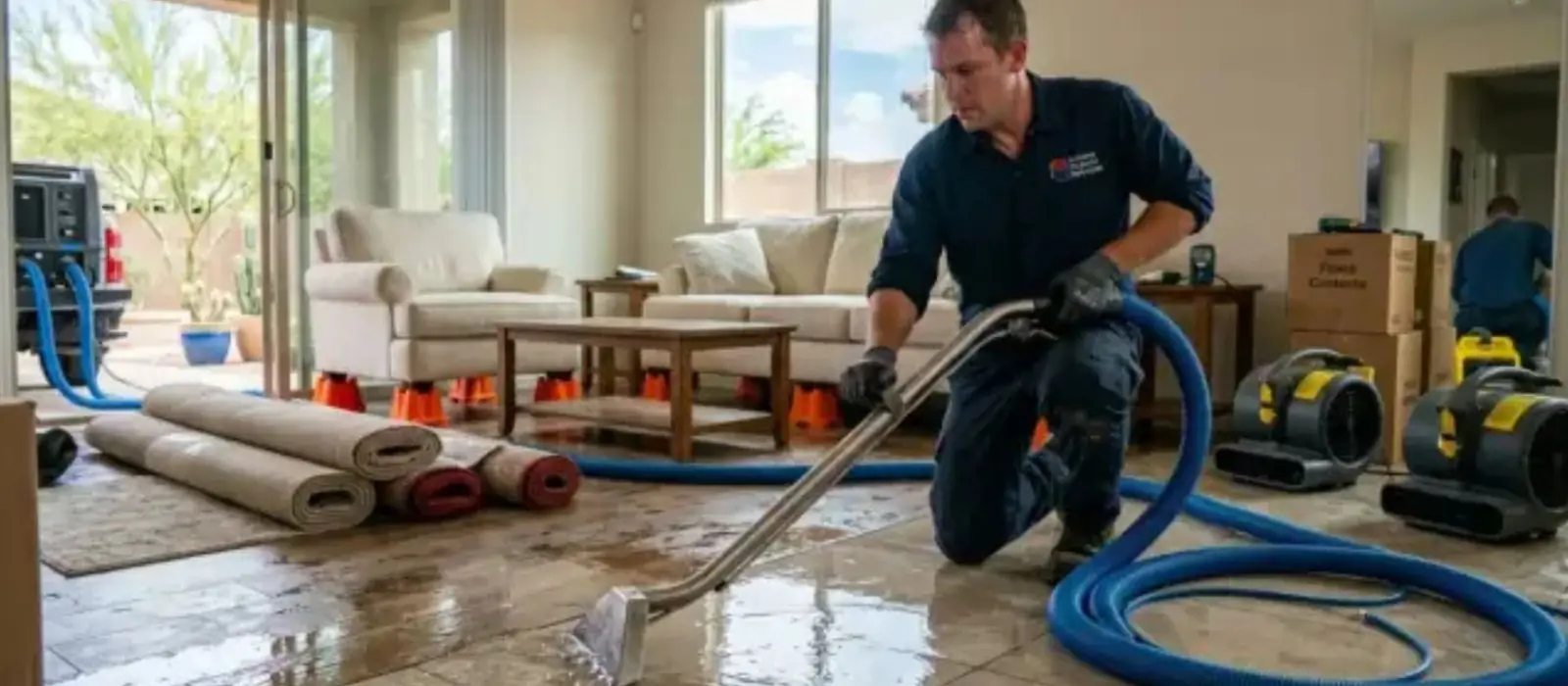
Water Damage Restoration
in Santa Monica, CA
Burst pipe, backed-up drain or storm water in the house? The 24/7 emergency line sends a licensed and insured restoration crew for extraction, drying and mold control in Santa Monica, Venice and Pacific Palisades.
- Licensed and insured
- Scope and price explained before work starts
- Same-day response when available
How a call moves
- Dispatch lineAnswered around the clock, every day of the year
- AssessmentScope and price explained before work starts
- CoverageSanta Monica, Venice and Pacific Palisades
- ServicesWater, flood and mold in one call
Water on the floor right now?
The emergency line is answered 24/7, including nights, weekends and holidays. Shut off the water if you can reach the valve, then call.
What water damage restoration includes
Water damage restoration is the work of stopping the source, removing standing water, drying the building materials and repairing whatever could not be saved.
In Santa Monica that work usually starts with a call about a burst supply line, a failed water heater, a roof leak after a coastal storm or a sewer line backing up into a lower unit. Each one needs a different first move, and the emergency line is staffed to sort that out in the first minute of the call.
The crew that arrives is licensed and insured and works to the ANSI/IICRC S500 standard for water damage restoration. S500 is a published industry standard, and you can ask any restoration company whether its crews follow it before you agree to work.
Mold work belongs in the same conversation when moisture sits too long. Mold needs moisture to grow, so the leak must be found and the structure dried before any mold work will hold. Mold remediation is handled as a secondary service on the same line.
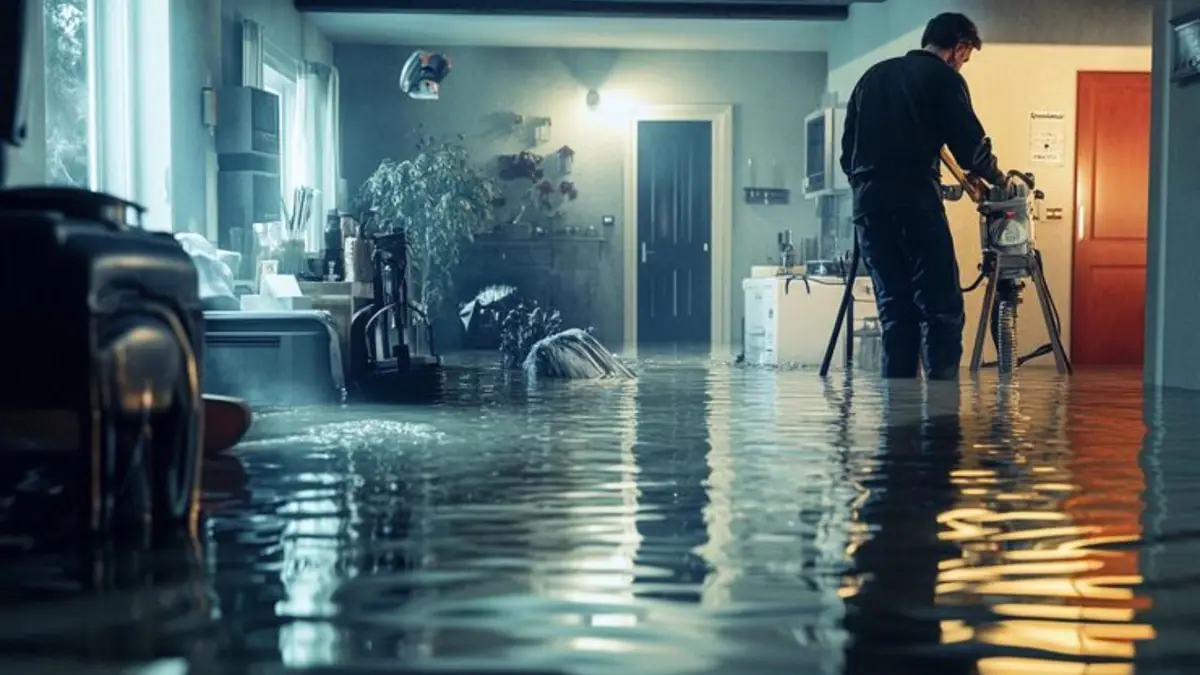
Six stops, one crew
Emergency Water Removal
Pumps and extraction units pull standing water out of floors, garages and lower units.
Emergency water removalWater Mitigation
Stops the damage in the first 24 to 72 hours with moisture mapping and drying equipment.
Water mitigationWater Damage Cleanup
Removes wet debris and ruined materials, then cleans and deodorizes the affected rooms.
Water damage cleanupWater Damage Repair
Rebuilds drywall, flooring, paint and cabinets once the structure is dry.
Water damage repairFlood Damage Restoration
Handles storm, groundwater and sewage-contaminated flooding, including below-grade rooms.
Flood damage restorationMold Remediation (secondary service)
Contains and removes mold that followed a leak, after the moisture source is fixed.
Mold remediation
Before the crew arrives
The first hour decides how far the water travels. These four steps are safe for most homeowners to take while the 24/7 line is arranging a crew.
Stop the source
Close the main water valve or the valve at the fixture. If the water is coming from a neighbor above you, tell the building manager at once.
Mind the power
Turn off power to wet areas only if the panel is dry and safe to reach. Never step into standing water near outlets or appliances.
Protect what you can
Lift small valuables, rugs and electronics off wet floors. Pull cushions and boxes away from walls.
Stay out of dirty water
Keep people and pets out of sewage or storm water, and wash hands after any contact.
Electrical and gas risk come first
If water has reached an electrical panel, you smell gas or you see sparks, leave the area and call 911 or the utility before you call the restoration line. A wet floor can be dried later. A shock cannot be undone.
Take photos and short videos of the damage before anything is moved. Your insurer will ask for them, and the crew adds moisture readings to the same record.
Why homeowners call this line
24/7 dispatch
The emergency line is answered nights, weekends and holidays.
Scope and price first
The scope of work and how the price is set are explained before work starts.
Licensed and insured
Restoration professionals who are licensed and insured work the job.
Documented work
Moisture readings and photos support your insurance claim.
From first call to restored
- 1
Call the line
Describe the water, where it started and whether anyone is in danger.
- 2
Assessment
The crew finds the water category, maps moisture and writes up the scope.
- 3
Mitigation
Extraction, drying equipment and cleanup begin to stop further damage.
- 4
Restoration
Drywall, flooring and finishes are rebuilt once readings show the structure is dry.
Drying often takes several days. Equipment readings decide when it is done, not the calendar, which is why a crew returns to check moisture levels before it pulls the air movers.
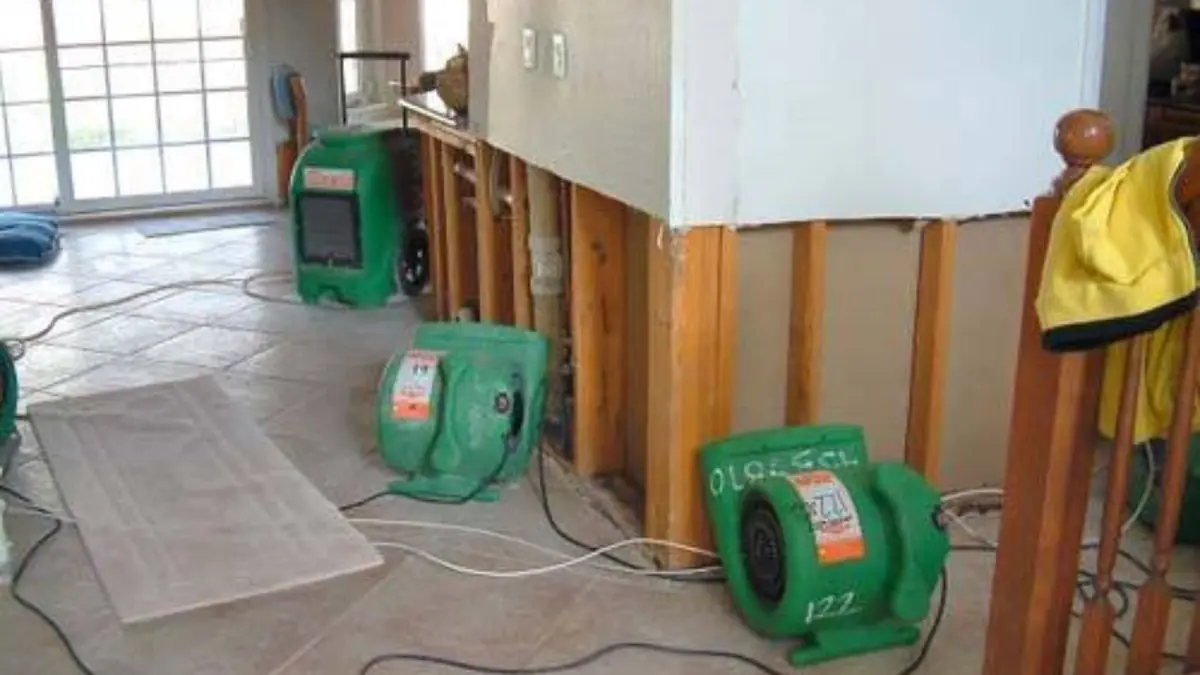
How crews classify the water
| Category | Typical source | What it means | What usually happens |
|---|---|---|---|
| Category 1 | Broken supply line, overflowing sink, roof rain through a clean opening | Clean at the source but it can worsen as it sits | Extraction and structural drying, with many materials kept |
| Category 2 | Washing machine or dishwasher discharge, toilet overflow without solids | Contains contaminants that make it unsafe to live in | Extraction, cleaning, and removal of some porous materials |
| Category 3 | Sewage, rising flood water, water that sat long enough to turn | Grossly contaminated | Porous materials removed, areas sanitized, containment used |
A crew assigns the category on site, and a category can move up if water sits. Category 1 water left for days is treated differently from the same water caught within hours, which is one more reason to call early.
Water damage across Santa Monica, neighborhood by neighborhood
South of Wilshire, around the Third Street Promenade and Santa Monica Place, many buildings stack homes and shops over one another. A leak in one unit can reach the unit below, so tell the building manager early and ask neighbors to check their ceilings.
Ocean Park, in the southwest corner of the city with its Main Street shops, and the area around the Santa Monica Pier are exposed to ocean weather. Wind-driven rain can find gaps around windows and roof edges, which is why a stained ceiling after a storm deserves a close look.
Pico is a historic neighborhood split by the Santa Monica Freeway (I-10). Older buildings may still carry original plumbing, so once the water is stopped it is worth asking a plumber to check the lines before the walls are closed.
Sunset Park, next to Santa Monica Airport, has small single-story homes built in the 1940s for aircraft workers. In a small floor plan one failed supply line can reach most rooms quickly, which makes the first hour count.
Santa Monica's tap water comes from up to 75 percent local groundwater treated at the Arcadia Water Treatment Plant, with the remainder purchased from the Metropolitan Water District, according to the city's 2025 water quality report. A failed supply line therefore starts as clean water, and the clock on that category starts the moment the leak does.
What affects the cost of water damage restoration
No honest number exists until someone sees the damage. These are the factors that move a restoration price the most.
- Water categoryClean, gray and black water call for different cleaning and disposal steps.
- Affected areaThe square footage and the number of rooms the water reached.
- Materials involvedCarpet, pad, drywall, insulation, hardwood and cabinetry each dry or fail differently.
- Drying days and equipmentThe number of air movers and dehumidifiers and how many days they run.
- Rebuild scopeWhat must be replaced and finished after drying is complete.
Insurance and your claim
Sudden and accidental water damage, such as a burst pipe, is often covered by a homeowner or renter policy. Slow leaks and neglect often are not. Flood damage is usually excluded and needs separate flood coverage, so check your policy or ask your insurer.
The California Department of Insurance advises policyholders to report a loss promptly, take reasonable steps to protect the property and keep records of calls and letters. Its residential claims guide explains the process.
Want your real number?
Scope and price are explained before work starts. Call the 24/7 line and describe the damage.
Where the emergency line reaches
Water damage restoration and mold remediation are covered in every Santa Monica ZIP code: 90401, 90402, 90403, 90404 and 90405. That includes downtown, Ocean Park, Pico, Sunset Park and the north side along Montana Avenue and the bluffs of Palisades Park.
Past the city line the same line reaches Venice to the south and Pacific Palisades to the north, along Pacific Coast Highway. The service area page lists every ZIP code and the nearby places we mention.
- Pacific Palisades
- Santa Monica base
- Venice
Water damage restoration questions in Santa Monica
The emergency line is answered 24/7, and dispatch sends a crew the same day when one is available. No arrival time is promised, because crew availability and traffic on Pacific Coast Highway and the I-10 change it from hour to hour. Ask dispatch for the current window when you call.
Yes. The 24/7 line is open every day of the year, including holidays. Call as soon as you see water, even at 3 a.m. Water keeps moving through the structure while you wait for morning.
Close the main water valve if you can reach it, turn off power to wet areas only if the panel is dry and safe to reach, and lift valuables off the floor. Photograph the damage before moving anything. If you smell gas or see sparks, leave and call 911 first.
Sudden and accidental water damage is often covered, and gradual leaks often are not. Flood damage is usually excluded unless you carry separate flood coverage. Read your policy or ask your insurer, and keep the photos and moisture readings the crew records.
Drying often takes several days. The crew checks moisture readings and removes equipment only when the structure meets its drying goal, so the timeline depends on the materials and the water category, not on a fixed schedule.
No. Restoration removes water and repairs damage after water gets in. Waterproofing keeps water from entering and is a different trade. If the real problem is a foundation or drainage issue, dispatch will say so and point you to the right kind of contractor.
Yes. The crew records the affected areas, moisture readings and photos in a scope of work. Large losses usually involve an adjuster, so ask your insurer what documents it needs and share the scope when you have it.
The line covers Santa Monica ZIP codes 90401, 90402, 90403, 90404 and 90405, plus Venice and Pacific Palisades. If you are nearby but not sure, call and dispatch will tell you whether a crew can reach you.
Water spreading right now?
Call the 24/7 emergency line for Santa Monica, Venice and Pacific Palisades.
Call (424) 550-5662